BrandQs
Even scherpstellen…
Even scherpstellen…
Ideas, observations and deeper perspectives on brands, people and a changing world. Explore our brand strategy approach and discover how content strategy connects useful insight with commercial decisions.
Looking for more depth? Explore 38 articles by area of expertise ↗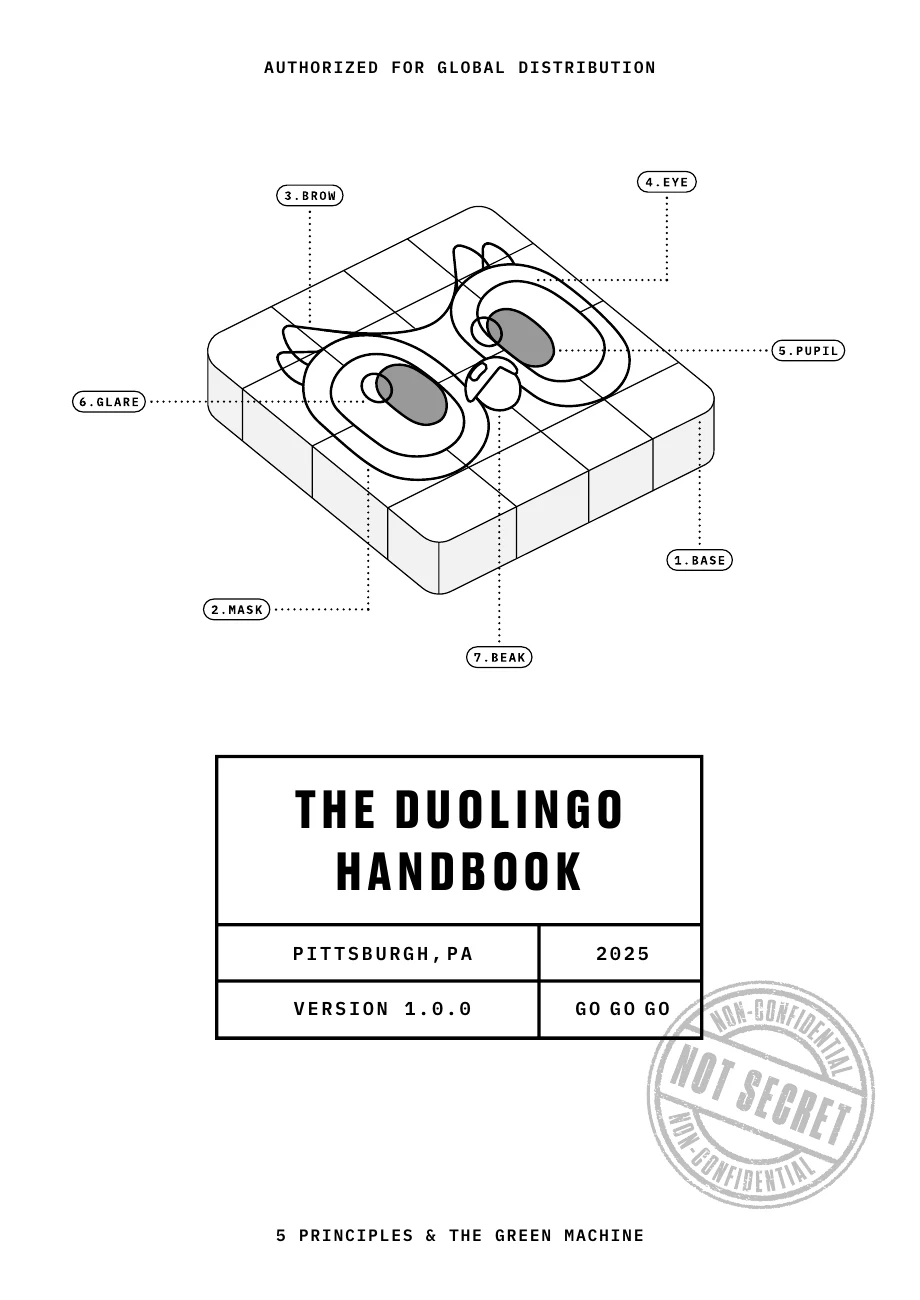
Duolingo combines distinctive brand cues, product behaviour and a strong test culture. Its strength lies less in individual jokes than in the connection between brand, product and learning.

Strong brands stay recognisable while markets change. They know what should evolve — and what should remain stable.

AI can make creative analysis faster and more consistent. Its value lies in better hypotheses, less guesswork and a clearer learning process.

A decade of digital optimisation has made marketing more measurable, but not automatically more effective. Reach, recognition and memory still matter.

Unreasonable Hospitality shows why exceptional service is not just operational — it can become a powerful brand mechanism.

Falling growth and shrinking margins do more than pressure the numbers. They also change how entrepreneurs think about risk, pace and direction.

SEMrush becomes more strategic when it helps explain markets, competitors and demand patterns rather than simply track rankings.

Guinness uses sport not as a standalone sponsorship, but as a context in which brand cues, reach and availability reinforce one another.

AI agents can speed up repetitive work and improve analysis. Their real value appears when processes are clear and human decisions remain explicit.

AI can be overheated and structurally important at the same time. The real question is which infrastructure and applications keep creating value after the correction.

The next step in trade marketing is not more dashboards, but a shorter distance between signal, decision and execution.
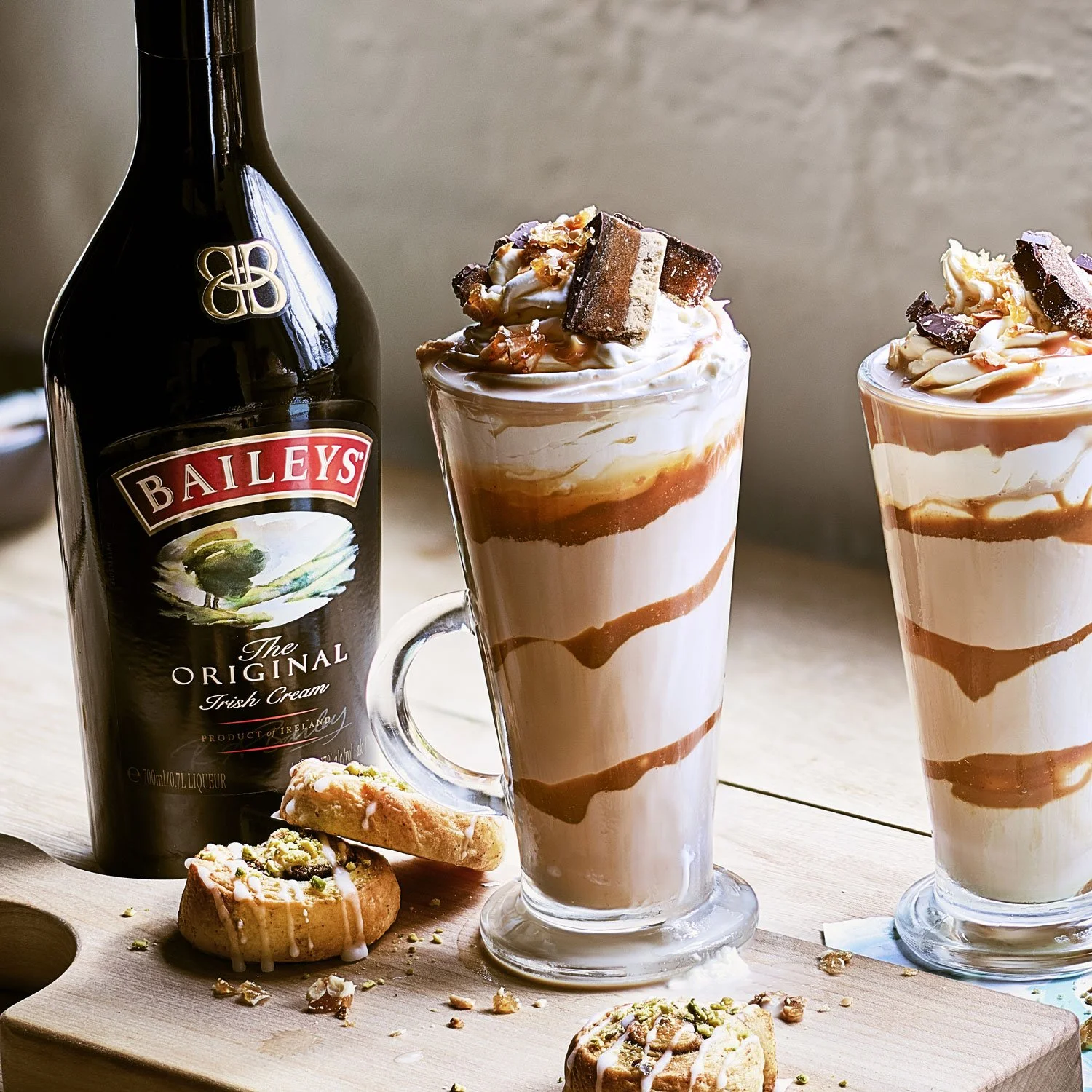
Diageo links marketing investment to data, scenarios and incremental growth. The useful lesson is the discipline that makes decisions comparable.

B2B choices may look rational, but trust, risk and familiarity still influence what feels like a safe decision.

B2B growth requires more than lead generation. Brands win when different touchpoints add up to one recognisable experience.

Brand growth requires time, repetition and discipline. Short-term metrics matter, but they should not displace long-term brand building.

Data becomes strategic when it improves decisions. More dashboards are rarely the answer; sharper questions usually are.

Growth does not come from doing more marketing, but from making clear choices earlier about audience, proposition, pricing and sales.

Good marketing does more than optimise what works today. It builds brand, data and organisational capability that remain useful tomorrow.

In a tiny B2B market, classic lead generation is a poor fit. Growth depends on account knowledge, timing and relevance rather than volume.

Marketing is still reduced to campaigns and sales support in many SMEs, leaving much of the strategic value of brand building and commercial focus unused.

Strong selling is not a collection of isolated techniques. It is a process in which data, follow-up, prioritisation and customer insight reinforce one another.

Indaver shows how a technical B2B player can connect reliability, compliance and circularity in one proposition.

Aertssen shows how operational quality, visible expertise and employer branding can combine into a credible B2B brand.

DEME shows how a technical B2B company can connect expertise, scale, innovation and reputation into a credible international position.

Duvel Moortgat grew from a family brewery into an international group. The interesting question is how brand cues, portfolio and distribution continue to reinforce one another.

Lotus Bakeries scaled one highly recognisable product internationally without losing its core brand cues.

FAGE helped make Greek yoghurt mainstream in the US, but competitors scaled faster. The case shows why first-mover advantage only matters when distribution, pricing and brand building keep pace.

Carhartt uses product placement effectively because it appears in contexts that naturally fit the brand’s existing identity.

How options are presented affects what people choose. Framing, order and reference points all influence perceived value.

Strong packaging speeds up recognition. Whiskas shows why simplifying can create more brand value than adding new elements.
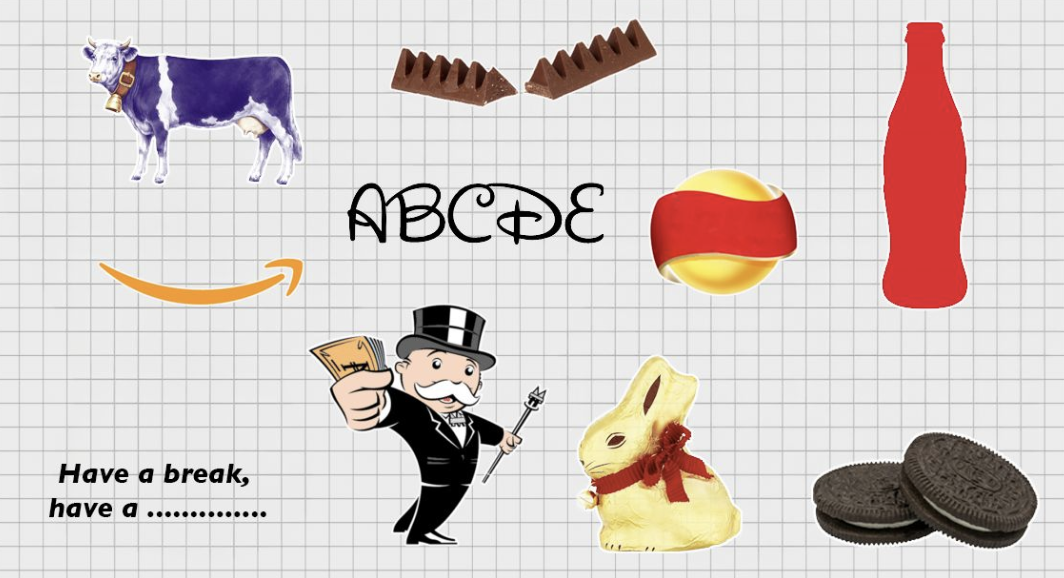
Recognition grows when a brand uses a small number of distinctive signals consistently. One strong asset often beats a fragmented portfolio.

Strong brands combine distinctive signals, consistent repetition and relevant presence. Creativity helps most when people quickly recognise the source.

The strongest marketing principles are not trend-dependent. Reach, recognition, availability and consistency remain important regardless of the year.

Retention matters, but structural growth rarely comes from existing customers alone. B2B brands need to keep reaching new buyers too.

A brand can be top of mind and still lose sales when it is difficult to find, buy or use.

Global brands need to stay recognisable while remaining locally relevant. That requires less campaign fragmentation and more discipline in brand, data and governance.

A mascot can strengthen recognition and memory, but only when the character has a clear role and is used consistently as a brand cue.

SEO does not improve by following one hundred disconnected tips. The fundamentals are simpler: technical quality, relevant content and sufficient authority.

B2B growth starts before the proposal request. Brands gain an advantage by coming to mind earlier and in more relevant buying situations.

A conversation with Jo Shoesmith highlights the value of emotional advertising, distinctive brand assets and creative consistency at scale.