The power of mascots in brand strategy: how a character can strengthen your brand
In a crowded market where brands constantly compete for attention, a distinctive identity is essential. One of the most powerful and often underestimated marketing strategies is a brand mascot.

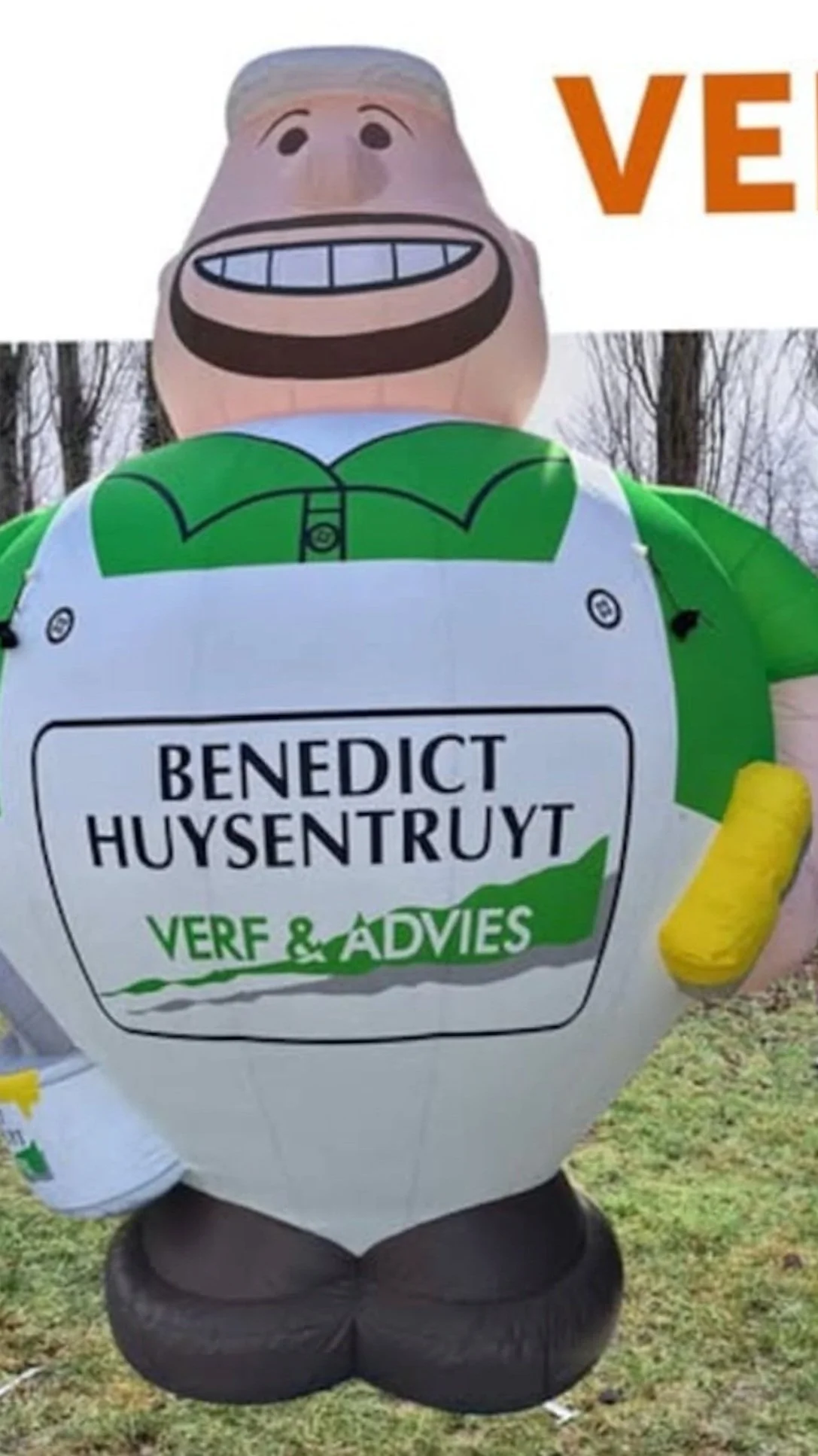
Inflatable painter mascot stolen at Gullegem cyclocross: “His ‘new friends’ were filmed by the police camera”
In a crowded market where brands constantly compete for attention, a distinctive identity is essential. One of the most powerful and often underestimated marketing strategies is a brand mascot. From the energetic Energizer Bunny to the charming Geico Gecko, mascots are playful characters and strategic assets that contribute to brand consistency, recognition and loyalty.
At BrandQs, we understand that brands need more than a good logo or a clever slogan. They need a character that speaks, moves and connects. This article explores the strategic value of mascots and how they can strengthen your brand.
Why a mascot matters in modern brand strategy
1. Creating a strong visual identity
When consumers encounter thousands of brand messages every day, visual recognition is crucial. A mascot acts as a visual bridge between brand and consumer. Consider how the Michelin Man became synonymous with safety and reliability in the tyre industry.
Benefits:
• Increases brand recognition in a competitive market.
• Strengthens brand consistency across communication channels.
2. Shaping a unique brand personality
A mascot is more than an image: it embodies your brand's values and personality. Brands in crowded markets can stand out with a unique, recognisable mascot that connects emotionally.
Example:
• Aldi's Kevin the Carrot transformed Christmas campaigns by combining humour and warmth, resulting in a substantial increase in Christmas sales.
Benefits:
• Creates a distinctive brand personality.
• Makes the brand more approachable and recognisable.
3. Strengthening brand loyalty and emotional connection
Consumers form an emotional connection with a brand more quickly when it has a likeable, recognisable character. Mascots are particularly well suited to generating affection and trust.
Example:
• The Geico Gecko brought humour to the insurance market and helped build a loyal customer base by emphasising the brand's human side.
Benefits:
• Increases customer loyalty.
• Encourages repeat purchases through emotional engagement.
4. Flexible use across marketing campaigns
Mascots can be integrated effortlessly across marketing channels, from television and print to social media and events. Their flexibility makes them ideal brand ambassadors.
Example:
• The Energizer Bunny symbolises endless energy and has appeared in countless traditional and digital advertisements to communicate product features powerfully.
Benefits:
• Suitable for both traditional and digital campaigns.
• Increases consistency and recognition in multichannel marketing.
5. Social media engagement and community building
Mascots are well suited to social media, where humour, interaction and shareable content are central. They can respond to trends, memes and viral content, increasing engagement.
Example:
• Duolingo's owl shows how a mascot can go viral on platforms such as TikTok through humour and interaction with users.
Benefits:
• Increases organic reach and engagement.
• Creates a community around the brand.
Strategic considerations when creating a mascot
Developing an effective mascot takes more than an appealing design. It needs to fit your brand identity and objectives strategically. At BrandQs, we use a structured approach based on proven marketing principles.
1. Anchor the mascot in brand values
The mascot should directly reflect your brand values. An environmentally conscious mascot, for example, can create greater resonance for a sustainable brand.
2. Design with your audience in mind
Know your audience and design a mascot that connects with their emotions, humour and needs.
3. Integrate the mascot into brand strategy
Use the mascot consistently across campaigns, product packaging and customer interactions.
Iconic mascots and their success stories
1. Michelin Man (Michelin)
Embodies safety, reliability and innovation in the tyre industry. A mascot that has endured for more than a century.
2. Kool-Aid Man (Kool-Aid)
An iconic red pitcher that promotes a soft drink and has become a symbol of fun and playfulness.
3. Quaker Man (Quaker Oats)
Conveys tradition, quality and reliability, fitting a brand that promotes health and authenticity.
4. Kevin the Carrot (Aldi)
An example of how storytelling through a mascot can lead to commercial success and greater brand engagement.
Mascots as an essential part of brand strategy
A well-designed mascot is a strategic tool that strengthens brand identity, creates emotional connections and supports customer loyalty. For businesses seeking to stand out and leave a lasting impression, a mascot offers a balance of creativity and strategic impact.
Curious how a mascot could transform your brand?
At BrandQs, we combine creativity with strategic insight to develop mascots that stand out and make an impact. Let's build a brand that speaks, moves and connects.
Want to know how your brand could benefit from a mascot? Contact BrandQs today for a no-obligation strategy conversation.
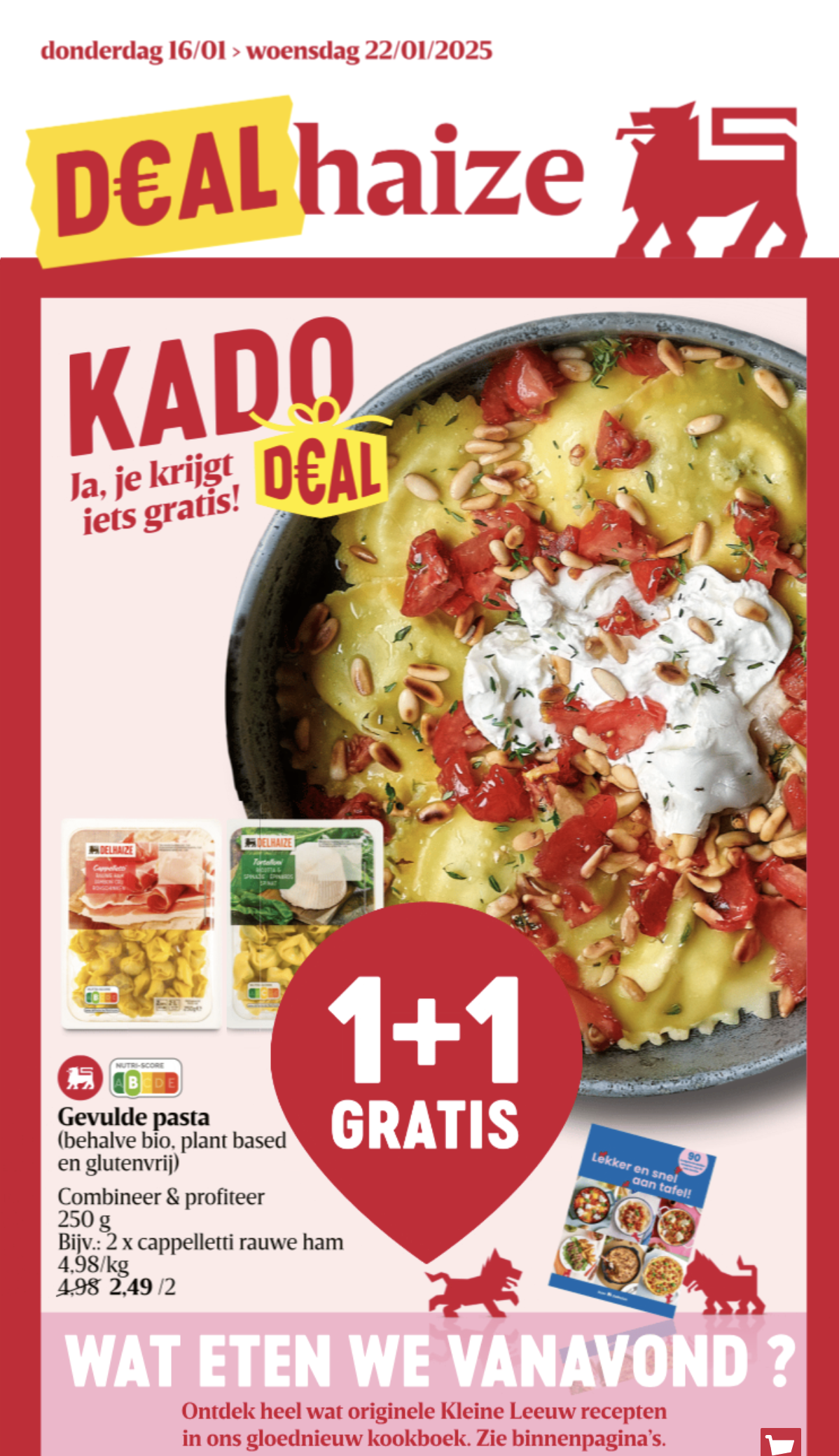

The Delhaize lion mascot is becoming more prominent and animated. A lesson learned from Aldi?
English version of the BrandQs archive. Historical references are preserved.